Practical guides, fashion thinking, and a peek behind the AI - written by the Stirolo team.
Showing 1–12 of 30 articles
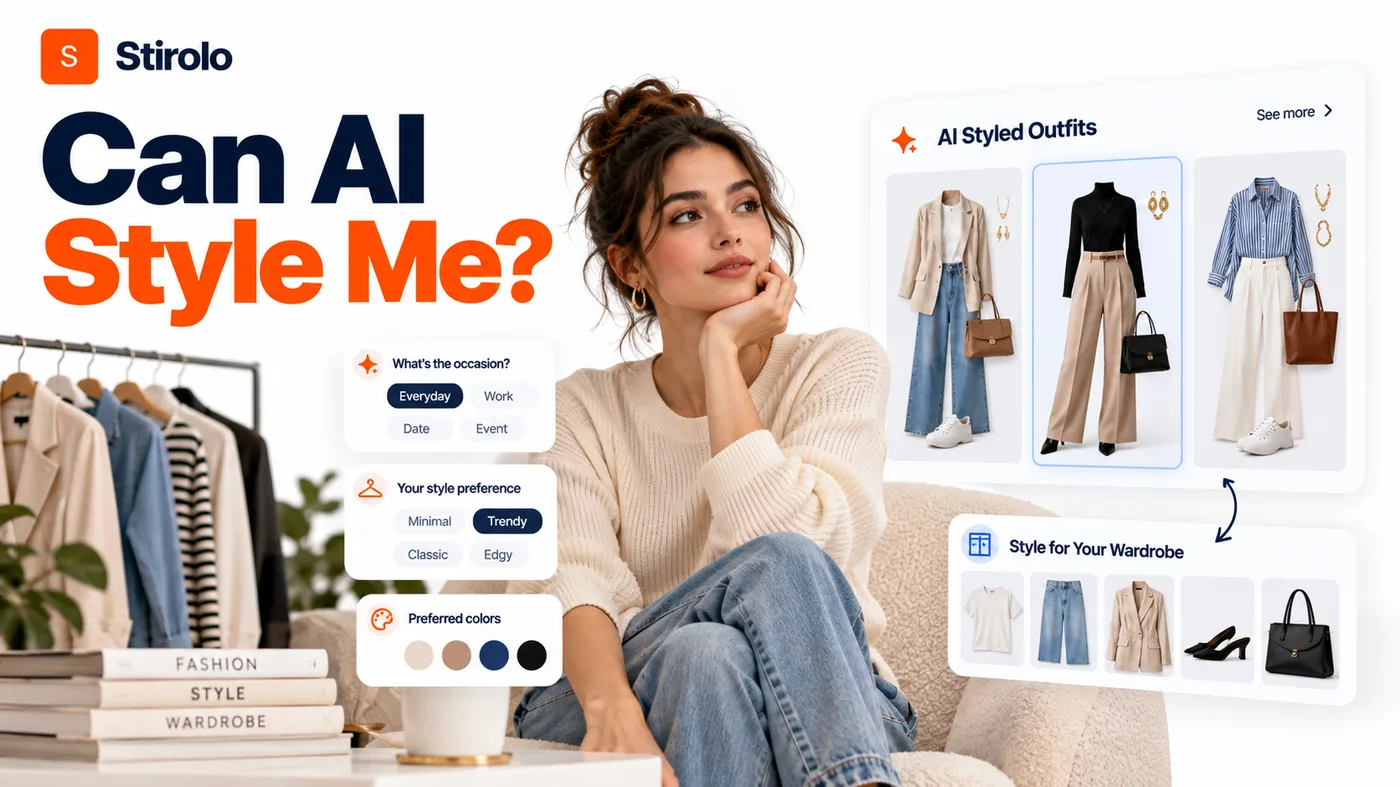
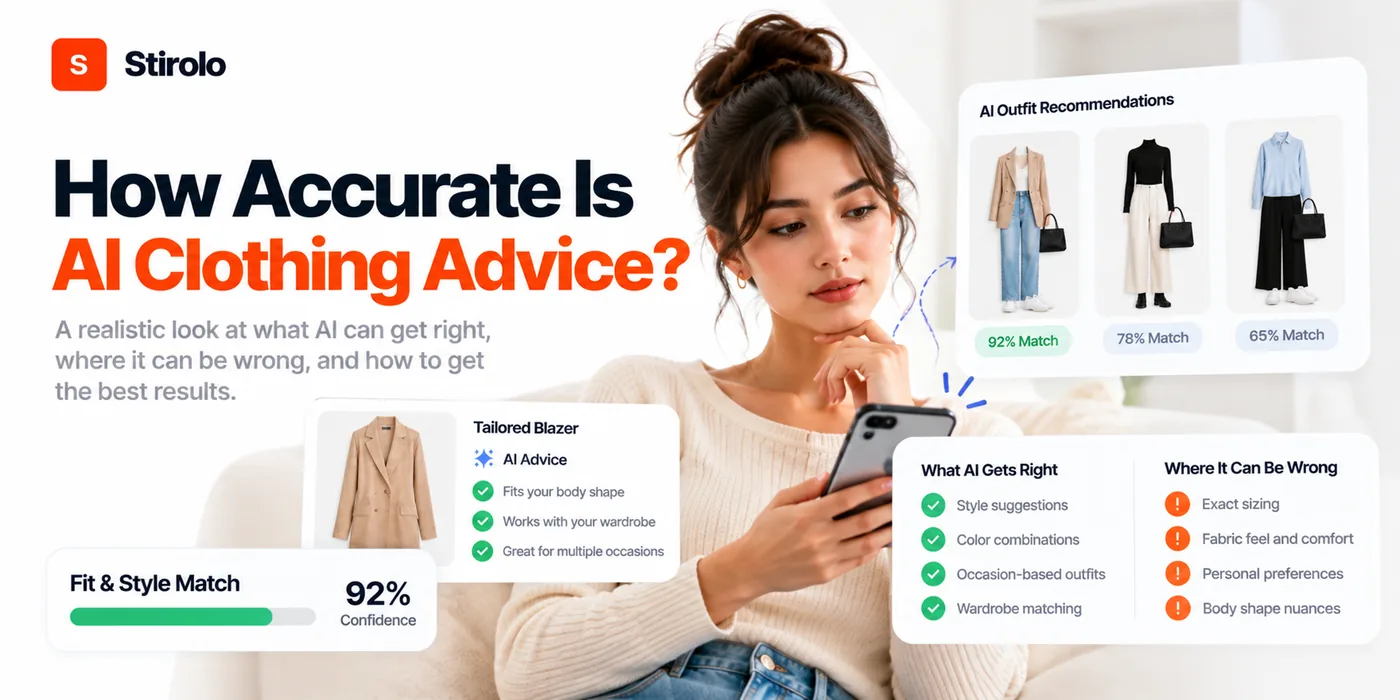
Yes, AI can style you, especially when it knows what you own, how clothes fit you, what you like, where you are going, and what conditions you will dress for. The strongest AI stylists do more than generate attractive combinations: they work within your real wardrobe, explain their choices, and adapt when you reject or prefer an outfit.
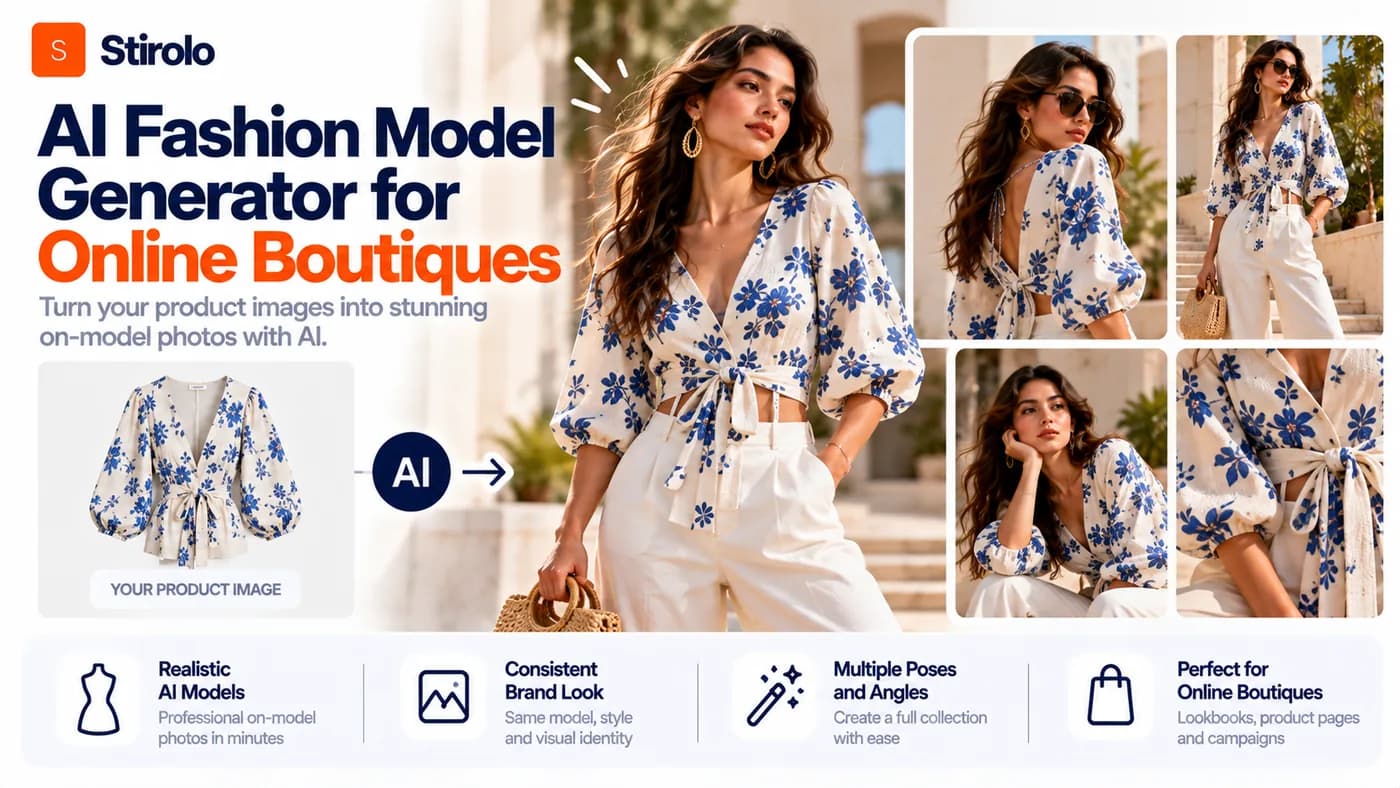
AI fashion model generators can turn simple clothing photos into on-model ecommerce imagery. This guide shows online boutiques how to use them while protecting garment accuracy, catalog consistency, customer trust, and brand identity.
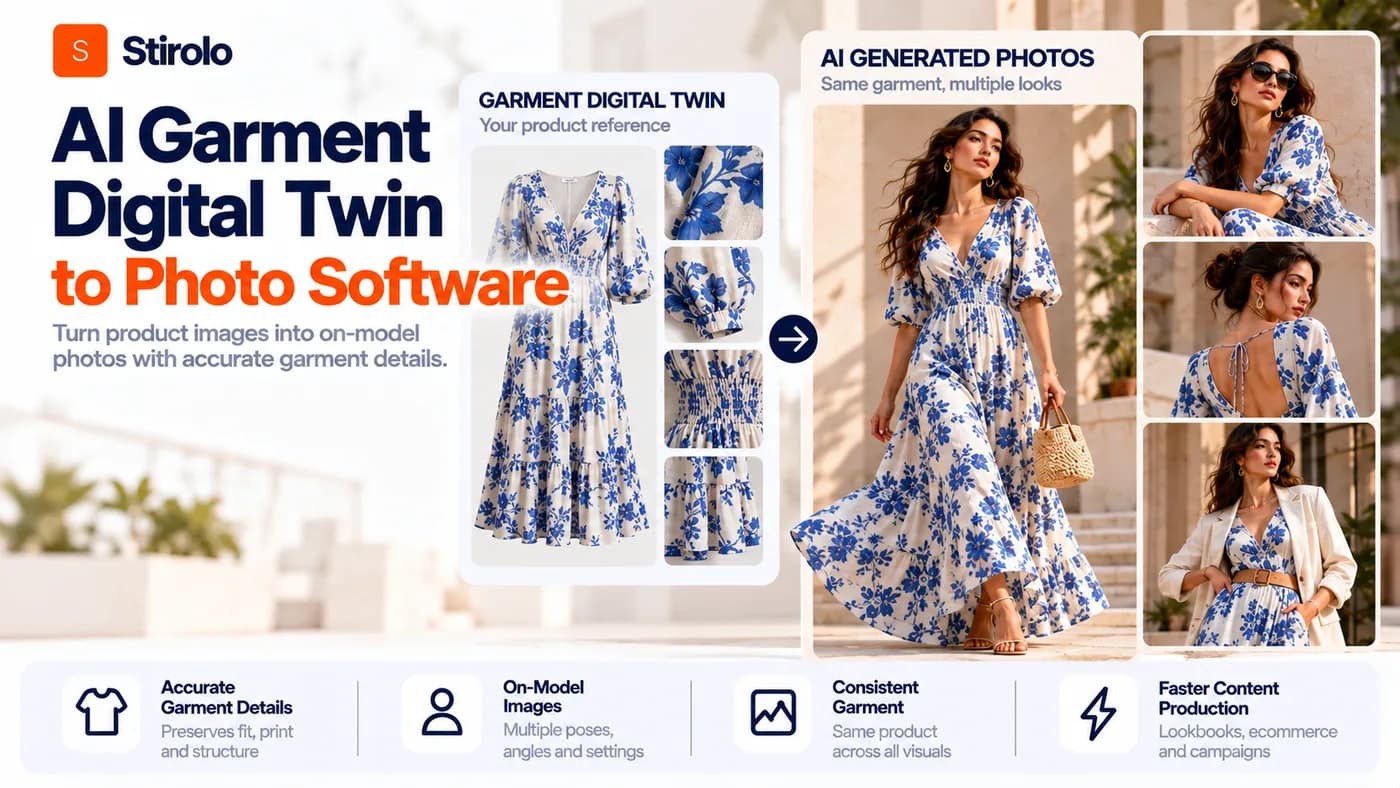
AI can turn a garment photo into model imagery, a digital wardrobe item, a virtual try-on asset, or even a starting point for technical documentation. The important question is whether the result is only visually convincing or accurate enough to represent the real garment. This guide explains the difference and shows how to evaluate AI garment digital twin software by use case.
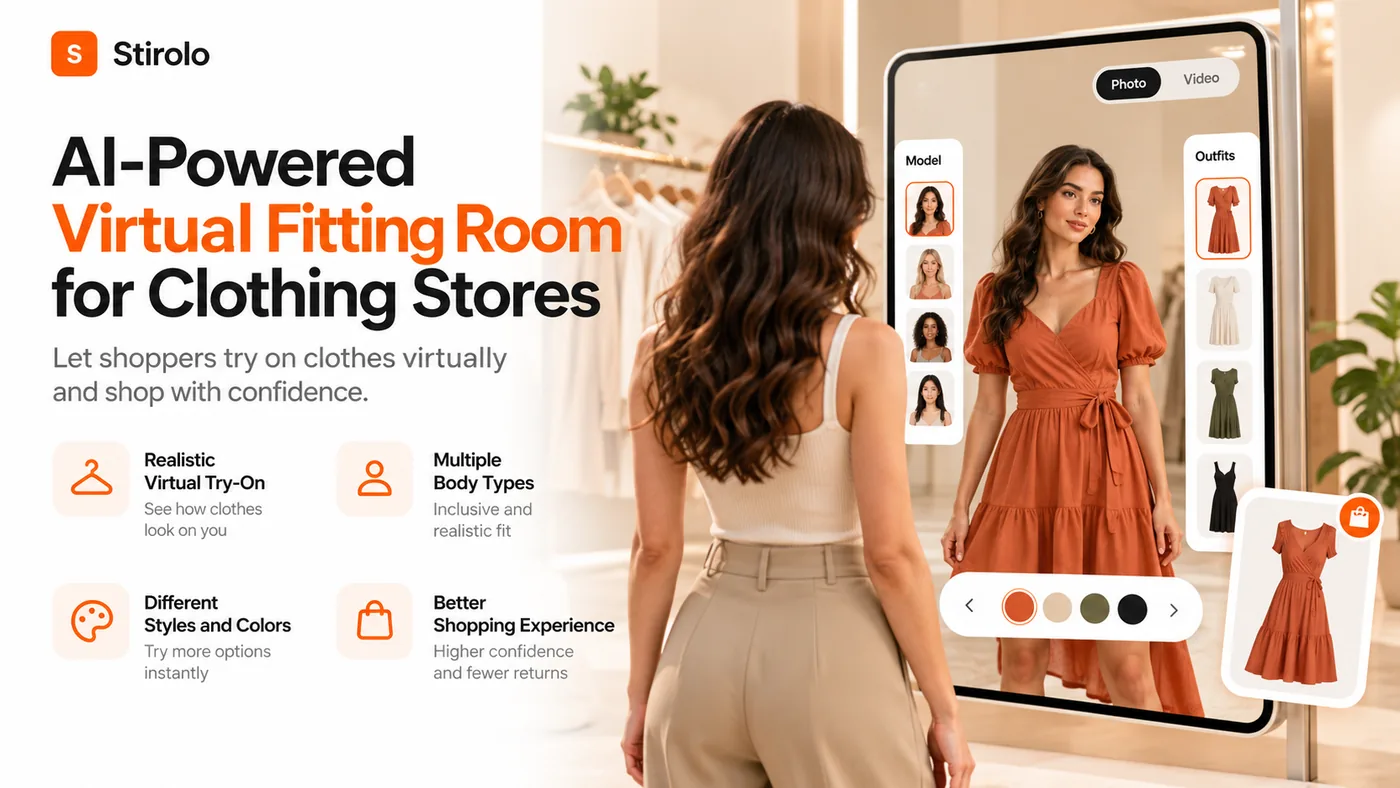
An AI-powered virtual fitting room can help shoppers see clothing on themselves before they buy. For clothing stores, the value depends on more than photorealism: garment fidelity, low-friction interaction, privacy, accurate expectations about sizing, and measurable shopping outcomes all matter.
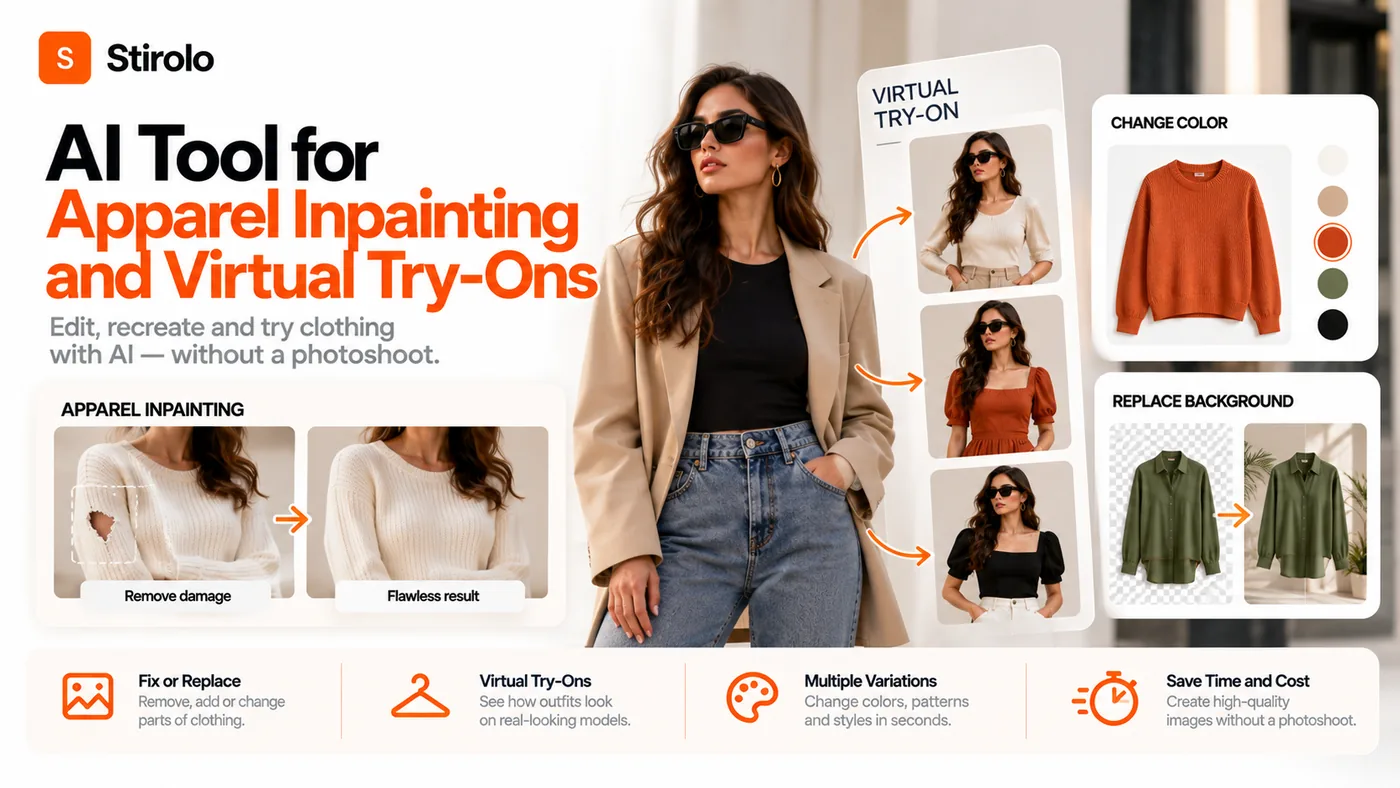
Apparel inpainting can edit a clothing region, while virtual try-on must preserve both the person and a real garment as it is transferred. This guide explains how the workflows differ, where they fail, and how fashion teams can test AI outputs before using them in ecommerce.
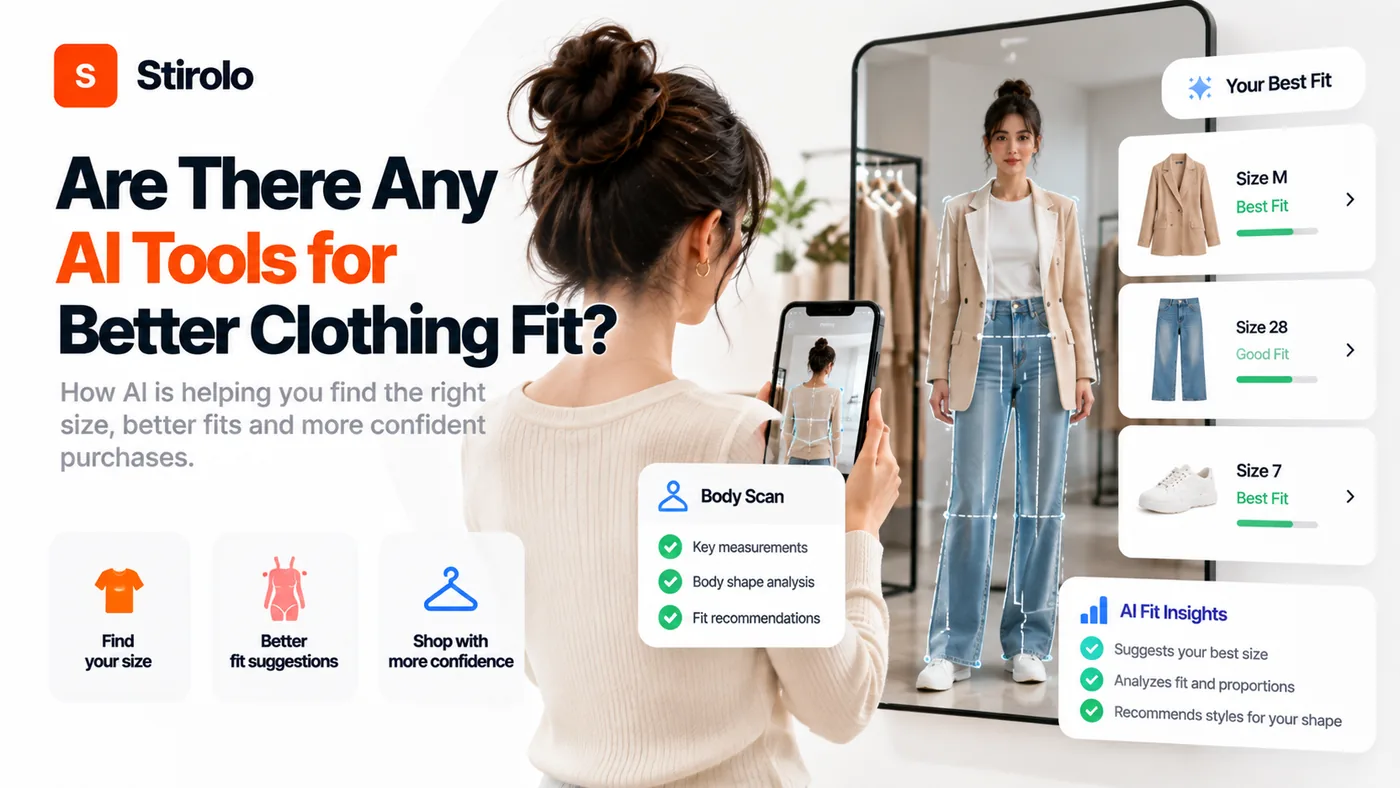
AI can help you choose better-fitting clothes, but different tools solve different fit problems. This guide explains AI size recommenders, body scanning, virtual try-on, fit visualization, and styling systems, including what each tool can and cannot predict.
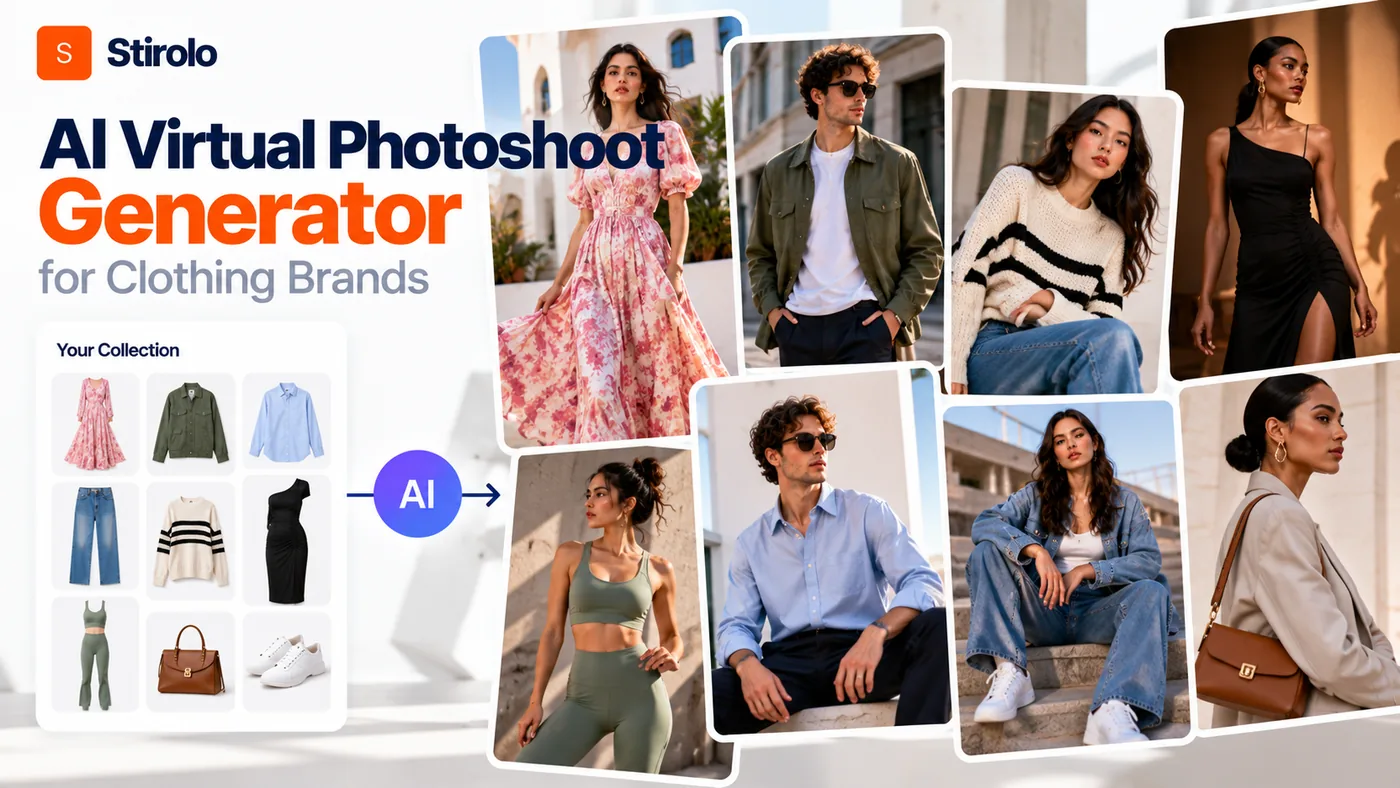
AI virtual photoshoots can turn simple garment images into model-based ecommerce and campaign assets. The useful question is not whether AI can make a beautiful image, but whether it can preserve the product accurately enough for the image to sell it responsibly.
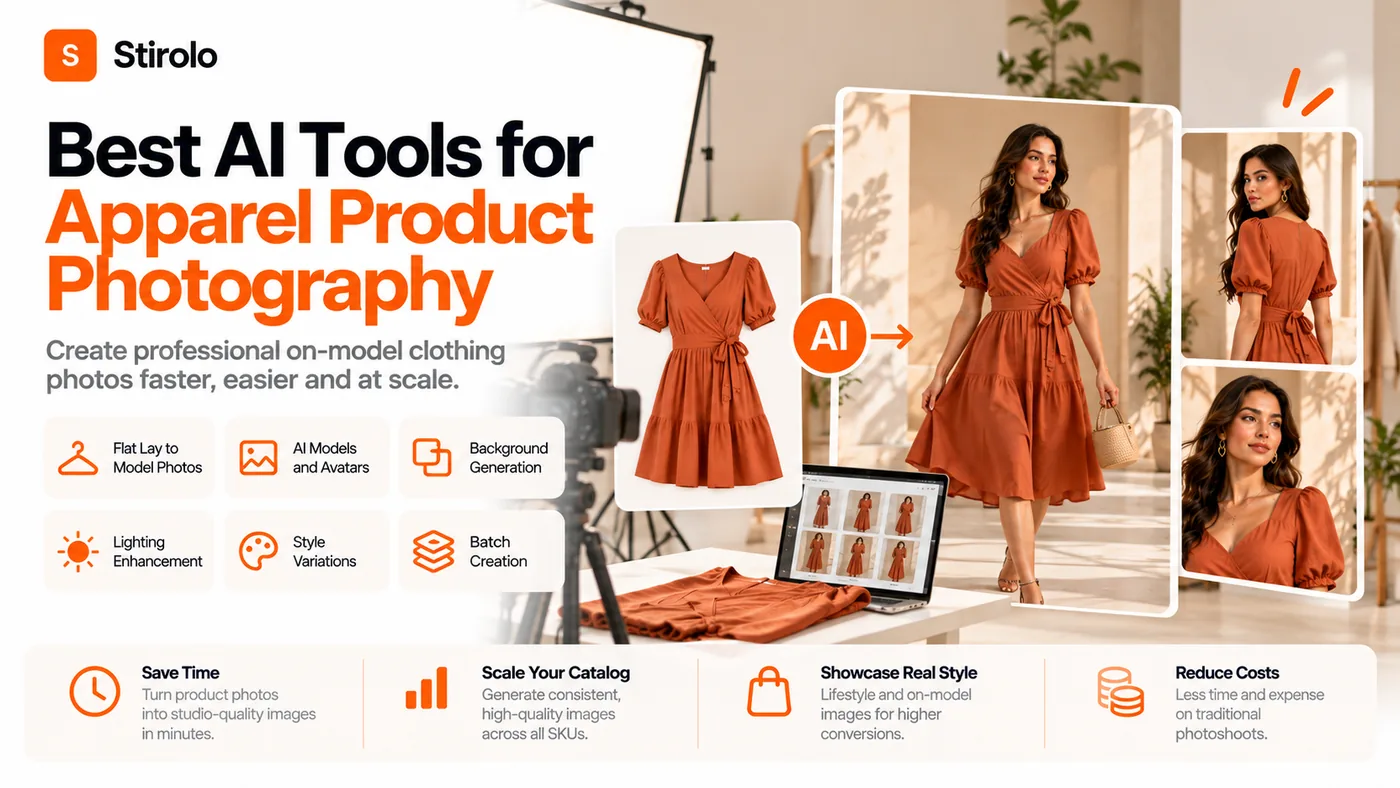
AI can shorten apparel image production, but clothing is unusually unforgiving: a polished image is useless if the tool changes the product. This guide compares the main AI photography tool categories, explains where leading platforms fit, and gives apparel teams a practical test for choosing software with their own garments.
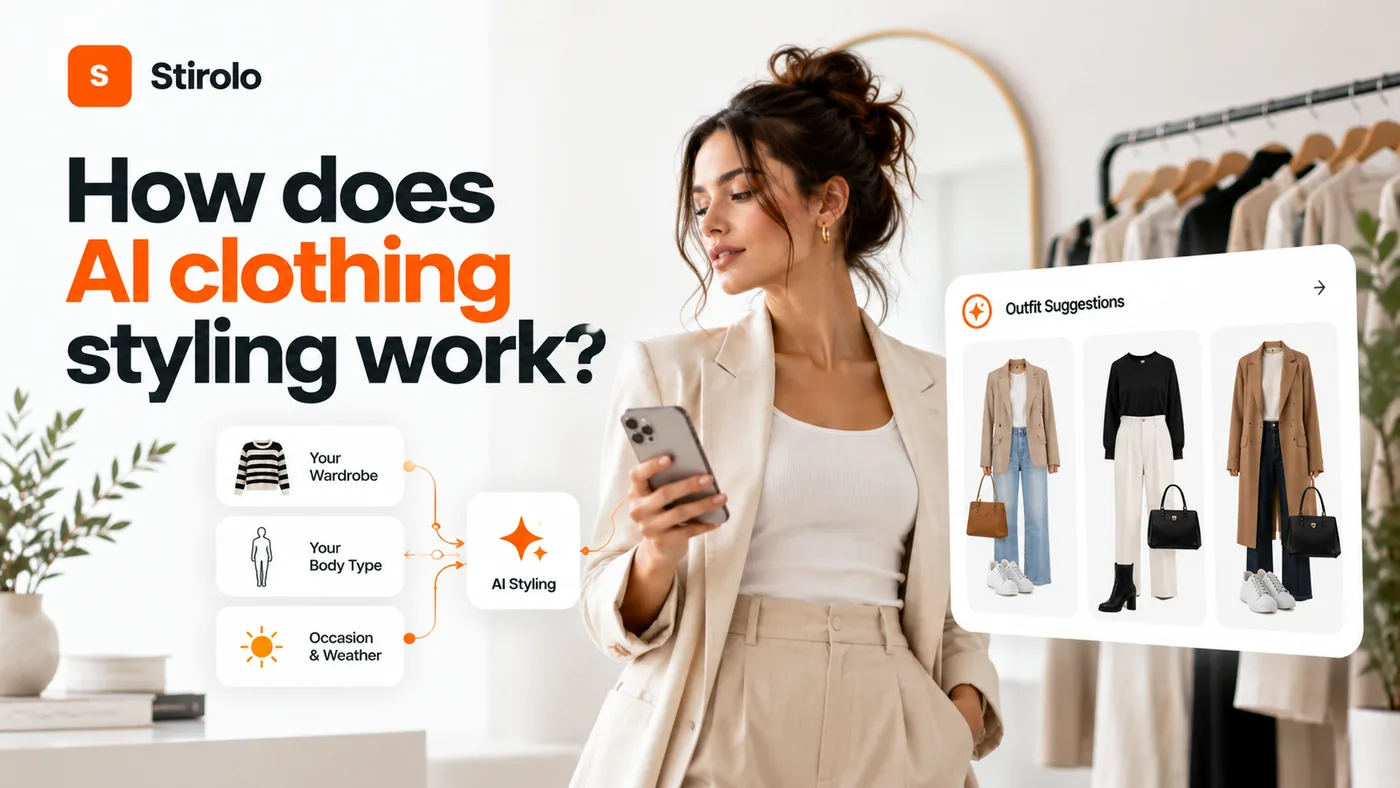
AI clothing styling turns wardrobe images, style preferences, body information, occasion needs, and environmental context into personalized outfit recommendations. This guide explains the process, the technology behind it, where virtual try-on fits, why some suggestions feel generic, and how better inputs improve everyday styling.
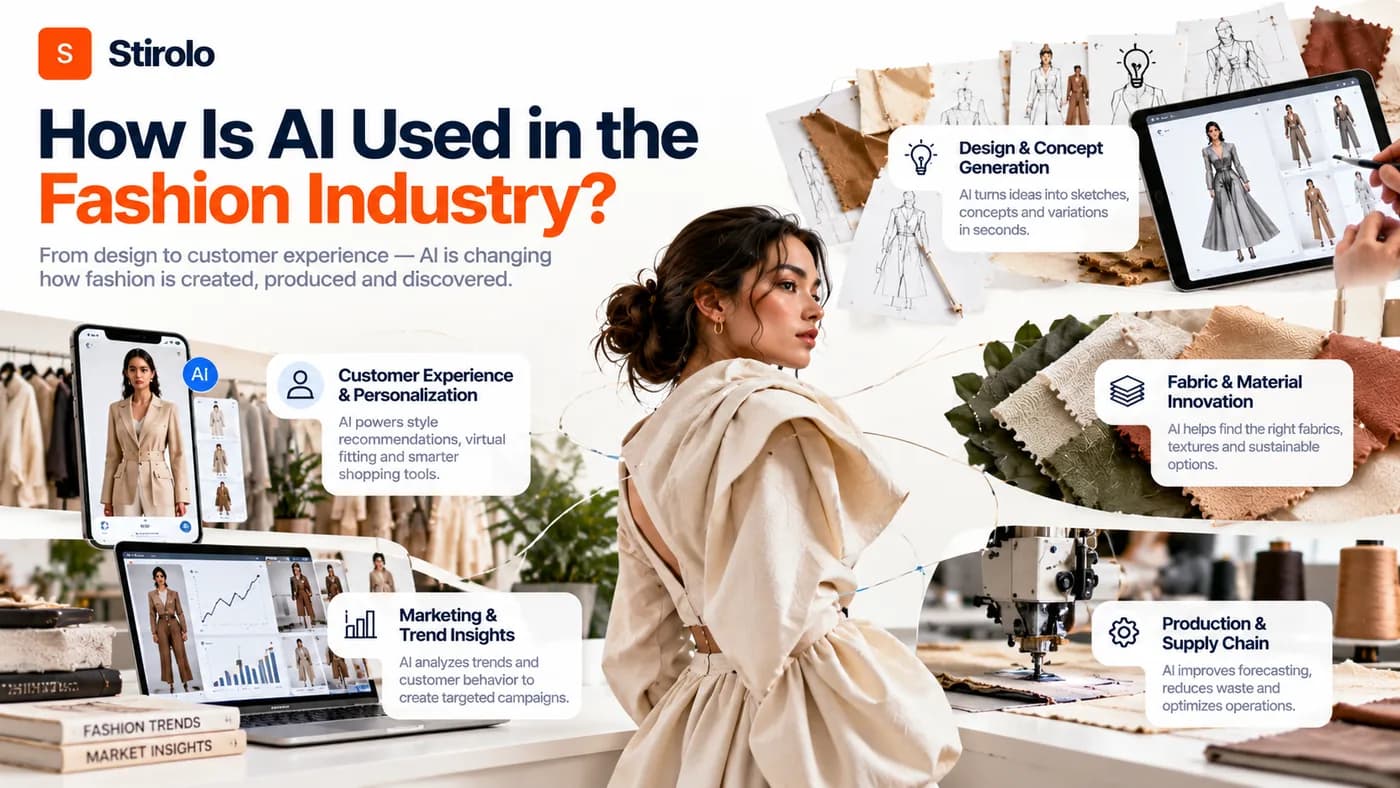
AI now supports decisions across the fashion value chain, from trend analysis and product concepts to inventory, personalized shopping, virtual try-on and wardrobe styling. This guide explains what each application does, what data it needs, and where human judgment still matters.
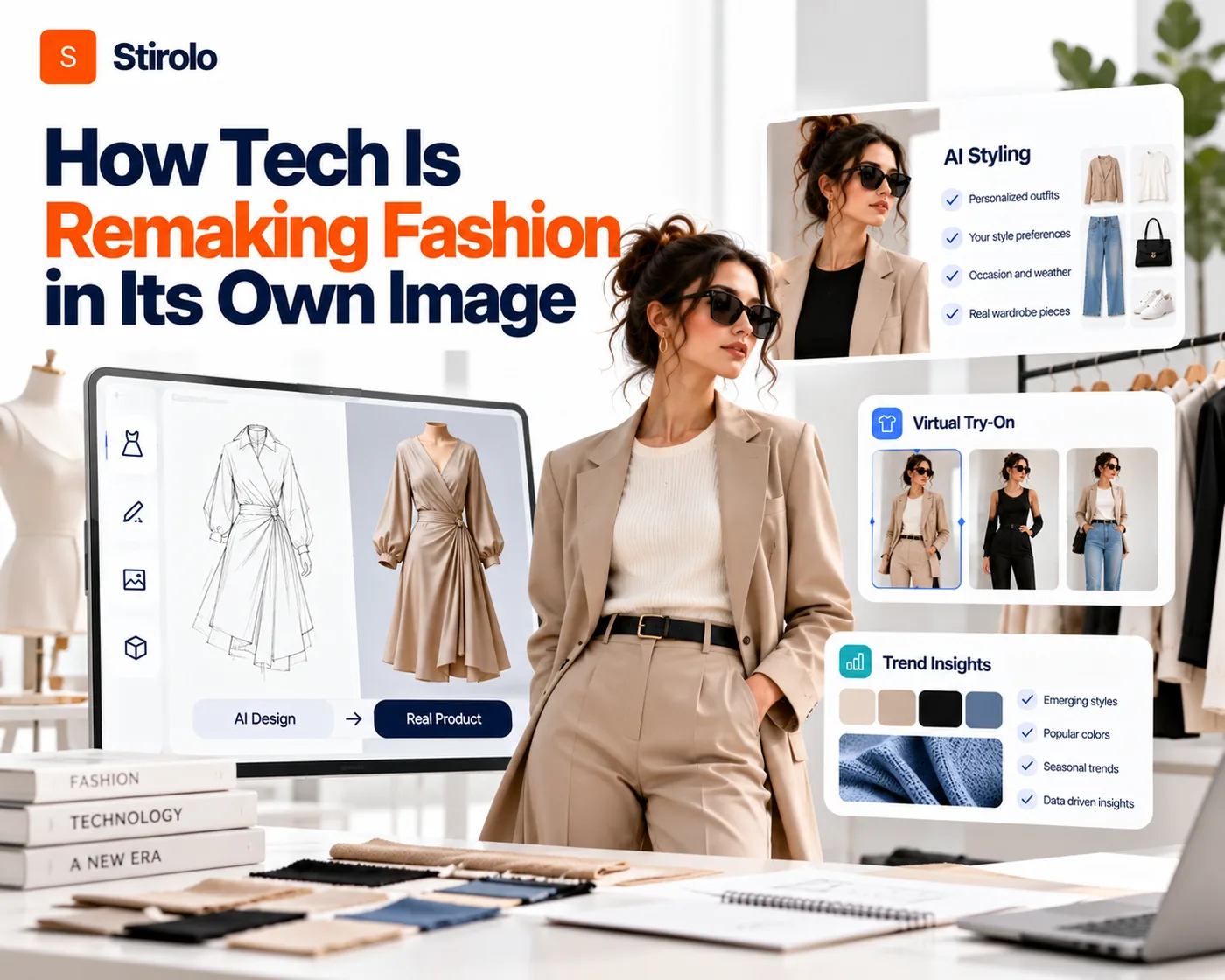
Technology is changing more than the way fashion brands work. It is reshaping how trends emerge, how garments are imagined, how people shop, and how personal style is built in a world of algorithms, virtual clothing and AI-assisted wardrobes.